How to Spot the Variation Between Mice and Rat Droppings
What mouse and rat droppings look like
Knowing the difference between mouse droppings and rat droppings is one of the fastest ways to identify a rodent problem. For basic rodent droppings identification, the first things to check are size assessment and shape evaluation. Mouse droppings are far smaller, while rat droppings are larger and usually easier to spot in patches near food, walls, or hidden routes.
A house mouse often leaves tiny droppings that look like dark grains of rice. By contrast, droppings from a Norway rat are thicker and more substantial, while a roof rat may leave droppings that are slightly smaller than Norway rat droppings but still larger than mouse droppings. In both cases, the droppings size gives an important clue, especially if you also notice chew marks, smell detection, or signs of a broader rodent infestation.
When you compare mouse droppings and rat droppings, look closely at the pellet shape. Mouse droppings tend to be pointed at the ends, while rat droppings are often less uniform and can show blunt ends. If you see a mix of sizes, that can suggest ongoing rodent presence or even multiple rodents using the same route.
Main distinctions in size, shape, and surface
A reliable way to distinguish mouse vs rat droppings is by paying attention to some clear indicators. First, the size in millimetres counts. Mouse droppings are generally quite small, while rat droppings are much larger and simpler to notice from afar. This is one reason people often mix up fresh crumbs or dirt for droppings until they get a more careful look.
Then, examine the droppings shape. Mouse droppings commonly have a narrow pellet shape with pointed ends. Rat droppings are typically bulkier, with more rounded or blunt ends. Sometimes, older droppings can dry out and become duller, which makes them tougher to spot without checking them to nearby traces of activity.
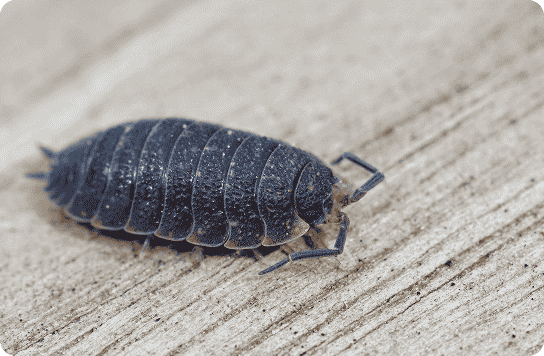
Fresh droppings are often deeper in color, less firm, and may appear wet-looking. This is why, fresh evidence can be useful in tracking current rodent activity. Old droppings tend to be parched, faded, and brittle. If you are seeing fresh droppings repeatedly, especially near food or baseboards, it usually means the issue is ongoing rather than historic.

Another clue is whether you see droppings alongside chewed food packaging or gnaw marks. Rodents seldom leave droppings alone. The combination of droppings, damage, and an occasional urine smell strongly implies they are foraging, nesting, and moving through the same area. For this reason, pest professionals look at the full picture, not just one pellet.
In simple terms, mouse droppings usually indicate a more petite animal such as a house mouse, while larger droppings are more consistent with a rat. If you are not sure, it is safer to treat it as the problem could be bigger than it looks and inspect nearby entry points and hidden pathways.
Where feces are usually found in North York properties
North York includes a mix of high-rise condos, historic post-war homes, and commercial strips, and each property type can lead to distinct rodent entry and nesting conditions. That is why traces may show up in multiple places depending on whether you are dealing with residential properties or commercial properties.
In many homes, the primary places to find mouse droppings or rat droppings are kitchens, basements, and garages. Kitchens draw rodents because of food, crumbs, and cupboard access. North York basements are especially essential to inspect because utility spaces, storage shelves, and wall gaps can hide nesting areas. In older houses, foundation cracks and utility penetrations often become easy entry points.
In North York condos, droppings can appear in apartment garbage rooms, shared laundry spaces, underground parking, and mechanical rooms. Condo buildings often have multiple levels of shared infrastructure, so a rodent can travel between suites, storage lockers, and service corridors without being seen. Shared walls and vertical chases can also transfer problems from one unit to another.
In commercial plazas and mixed-use buildings, look around shared dumpsters, rear loading areas, and storage rooms. Nearby laneways, restaurant bins, and waste areas around North York commercial properties can offer food sources that support regular rodent movement. Winter conditions in Toronto and North York often push rodents indoors, which makes droppings more noticeable near heated interiors, especially along routes leading from parking garages to utility rooms.
If you notice droppings near baseboards, behind appliances, or along walls, that pattern can reveal where rodents are travelling. Rodents often move close to cover, so droppings along the same edges may point toward hidden nesting material and active runways.
How feces reveal about an infestation
Droppings are beyond a cleanup issue; they are evidence of rodent activity. How many droppings there are, where they show up, and whether they look recent or dated can tell you quite a bit about the extent and source of a rodent infestation. A few isolated droppings may suggest a limited visit, but repeated droppings in multiple rooms usually point to active movement.
When you notice droppings near food storage, appliances, or hidden corners, they often indicate nearby nesting areas. Rodents like secure, low-disturbance places such as wall voids, cluttered storage, insulation, and areas behind stored items. If you also see shredded paper, fabric, or other nesting material, the infestation is likely further along.
They can also help identify entry points. For example, if you find them concentrated near a pipe opening, garage door threshold, or utility penetration, that location may be where rodents are getting in. In North York, older homes and basement suites often have small structural gaps that are easy for mice to use. Rats need larger access, but even they can exploit weak points around doors, vents, and drain areas.
Other infestation signs that commonly appear with droppings include chewed food packaging, gnaw marks, oily rub marks along walls, and a persistent urine smell. The more of these signs you see together, the more likely the problem needs active pest management rather than simple monitoring.
Note: If you keep finding new droppings after cleaning, take it as fresh evidence of ongoing rodent activity and inspect the surrounding area immediately.Health risks and hygiene concerns
Rodent droppings are a significant sanitation problem because they may transmit disease-causing organisms and lead to contamination risks on counters, stored food, and household surfaces. The key health risks include contact to bacteria such as salmonella, and in some instances, contact with materials contaminated by rodent urine and droppings can pose additional concerns. While hantavirus is not as common in many urban settings, it is still one reason droppings should never be handled without caution.
The danger is not just the droppings themselves. Dust from dried waste, nesting debris, and surfaces that have been travelled by rodents can spread contamination further than people expect. This is especially important in kitchens, pantries, and food-handling areas where cross-contamination can happen easily.
Anyone cleaning a large quantity of droppings should use protective gear, including gloves and a mask. Good sanitation practices reduce the chance of dispersing particles or touching contaminated surfaces. If droppings are concentrated near food storage or HVAC openings, professional help may be the best option because the contamination risk can extend beyond what is visible.
For businesses, especially restaurants, offices, and retail spaces in North York, droppings can also affect customer confidence and regulatory compliance. Once droppings are discovered, a prompt response is important for both health and operational reasons.
How to deal with droppings safely
Proper cleanup is important because poorly handled droppings can increase contamination risk. Begin by putting on gloves and a mask, then circulate air in the area if possible. Use a standard disinfectant to wet the droppings and nearby surface before removing anything. https://mississauga-onvw337.opalvector.com/posts/flea-removal-services-in-north-york-what-you-need-to-know This reduces the chance of stirring up contaminated dust.
Never sweep dry droppings or use aggressive methods that can scatter debris. Vacuuming risk is one of the worst mistakes people make during rodent cleanup, because vacuuming can aerosolize particles and spread contamination into the air and throughout the machine. Instead, remove softened waste carefully with paper towel or disposable materials, then disinfect the area again after removal.
Dispose of cleanup materials in a sealed bag and wash your hands thoroughly after removing your protective gear. If droppings are in insulation, inside wall cavities, or across multiple rooms, the cleanup may involve more than a simple surface wipe. In those cases, the better choice is often a professional team that understands safe cleanup and deeper pest management.
Be especially cautious in kitchens, around pet food, and in spaces where children or vulnerable adults may be exposed. Wipe surfaces, sanitize storage areas, and look for any new signs of rodent movement after cleanup.
When to call pest control North York
If you are noticing repeated droppings, a strong urine smell, or various signs of activity, it is time to reach out to pest control North York. A professional pest inspection can confirm whether the issue is mice, rats, or both, and it can pinpoint the routes and causes behind the problem. For many property owners, especially in older homes or larger buildings, inspection is the fastest way to stop the issue from spreading.
Professional help is especially important when the problem may require rodent control methods beyond cleanup. That can include finding and sealing entry points, tracking activity patterns, and installing bait stations in appropriate locations. Experts can also assess whether exclusion is needed around doors, vents, utility lines, and foundation gaps.
Calling a professional is also smart if droppings are appearing in North York condos, shared laundry areas, underground parking, or apartment garbage rooms, where one infestation can affect many units. In commercial spaces, a prompt response can reduce disruption and help protect inventory and public-facing areas.
If you are unsure whether the droppings came from a house mouse, a Norway rat, or a roof rat, a local expert can analyze the evidence, inspect for hidden nests, and create a realistic plan for follow-up. In short, if the signs are persistent or widespread, professional support is usually the most reliable and most efficient next step.
Prevention advice for North York homes and businesses
Stopping rodent droppings starts with limiting access, food, and shelter. Among the most important measures is sealing gaps around foundations, vents, pipes, doors, and utility openings. Even tiny gaps can become entry points for mice, while rats may exploit larger structural weaknesses around garages, loading areas, and basement spaces.
Proper food storage also has a significant impact. Place pantry items in sealed containers, avoid leaving pet food out overnight, and clean crumbs from counters and floors. In commercial settings, this also means controlling waste around shared dumpsters, restaurant bins, and storage rooms so rodents are not attracted to the property.
Strong waste management helps reduce outdoor pressure on the building. Remove garbage regularly, keep lids closed, and limit overflow in lanes and service areas. This is especially important in North York commercial strips where nearby laneways and shared dumpsters can create ongoing food access for rodents.
Regular property maintenance is another key part of prevention. Repair damaged screens, worn weatherstripping, cracked masonry, and broken vents. In North York basements, check around drains, windows, and service penetrations. In condos, report gaps around shared areas, utility rooms, and storage corridors quickly so building staff can address them before they become larger problems.
For both homes and businesses, routine inspections are part of effective exclusion methods and long-term pest management. If you live near busy streets, older housing stock, or food-heavy commercial zones, prevention should be treated as ongoing maintenance rather than a one-time task. That approach is especially important in a city like North York, where buildings vary widely and rodent pressure can change with the season.
FAQ
How can I tell if droppings are from mice or rats?
Check the droppings size, droppings shape, and the area where you found them. Mouse droppings are smaller and usually have a narrow pellet shape with pointed ends. Rat droppings are larger, thicker, and often have blunt ends. If you also see chewed food packaging, gnaw marks, or a strong urine smell, that helps confirm active rodent activity.
Are new droppings more serious than old droppings?
Recent droppings can be more concerning because they show current rodent activity and recent contamination. Older droppings may still pose health risks, but fresh evidence suggests the rodents may still be present and moving through the area. Regardless, use protective gear and follow careful cleanup procedures.
Where should I look for rodent droppings in a North York home?
Start with kitchens, basements, and garages, since these are usual places for infestation signs. In North York basements, check around storage, utilities, and wall edges. In North York condos, also look in garbage rooms, storage lockers, shared laundry spaces, and underground parking areas. Droppings often appear near entry points and nesting areas.
Can I clean up mouse or rat droppings myself?
Certainly, in small isolated cases you may be able to do a safe cleanup yourself if you use gloves, a mask, and a disinfectant. Avoid vacuuming risk by not vacuuming dry droppings. If the area is large, hidden, or repeatedly contaminated, professional help is safer because the contamination risk may be broader than it looks.
When should I call pest control North York for rodent droppings?
Call pest control North York if droppings keep reappearing, if you suspect a rodent infestation, or if you need a professional pest inspection. It is also a wise step to call when you need exclusion, bait stations, or help identifying hidden entry points. This is especially important in residential properties and commercial properties where rodent issues can spread quickly.